Creating Professional Maze Books for KDP: A Guide to Medium-Level 30x30 Puzzle Interiors
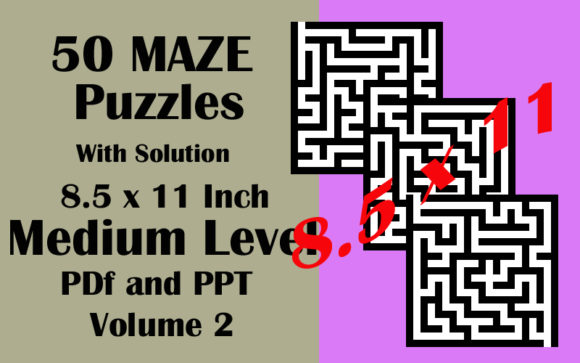
The self-publishing landscape has evolved significantly, moving beyond simple text-based books to include highly specialized activity books that serve specific cognitive and entertainment needs. Among these, maze puzzle books remain a perennial bestseller on Amazon KDP. However, the market is no longer satisfied with generic, low-effort content. Success now requires a deep understanding of technical specifications, user experience, and editable assets. The 50 Maze Medium Level 8.5x11 PDF PPTX V2 collection represents this new standard, offering creators a comprehensive foundation for publishing high-quality puzzle books. This guide explores the significance of these resources, the technical nuances of KDP formatting, and how to leverage editable interiors to build a sustainable publishing business.
Understanding the Technical Foundation of KDP Maze Books
Before diving into design or marketing, one must understand the rigid technical requirements of print-on-demand platforms. A common misconception among beginners is that any PDF will suffice for printing. In reality, professional puzzle books require precise adherence to trim sizes and bleed settings to ensure a quality product. The industry standard for adult and teen activity books is the 8.5″ x 11″ trim size. This dimension provides ample surface area for complex puzzles while remaining cost-effective to print and ship.
For maze books specifically, the "no bleed" specification is critical. Bleed refers to printing that extends to the very edge of the paper. While some artistic books require bleed, maze puzzles typically benefit from a safe margin. A no-bleed setup ensures that the puzzle grid remains centered with a consistent white border, preventing crucial pathways from being trimmed off during the manufacturing process. When utilizing a pre-formatted interior like the 50 Puzzles with Solutions KDP Interior, creators can trust that the margins have been tested against Amazon’s current guidelines, reducing the risk of rejection or poor customer reviews due to formatting errors.
The Importance of Page Count and Structure
A professional puzzle book is more than just a collection of images; it is a structured user experience. The 64-page total count found in high-quality templates serves a strategic purpose. With 50 pages dedicated to puzzles and additional pages for solutions, title information, and copyright notices, the book meets the minimum page count thresholds often required for certain distribution channels and spine text visibility.
Furthermore, the layout philosophy of one puzzle per page is essential for medium-level complexity. Crowding multiple mazes onto a single sheet diminishes the perceived value and makes the solving experience frustrating. Large print formatting not only aids accessibility for older demographics but also enhances the visual appeal for all users. Each page becomes a distinct challenge, allowing the solver to focus entirely on the 30x30 grid without visual clutter.
Decoding Medium-Level Complexity: The 30x30 Grid
Difficulty calibration is perhaps the most challenging aspect of puzzle creation. "Medium level" is a subjective term, but in the context of professional maze generation, it translates to specific metrics. A 30x30 maze puzzle strikes an optimal balance between engagement and solvability. Smaller grids (such as 15x15) are often solved in seconds by experienced enthusiasts, leading to dissatisfaction. Conversely, massive 50x50 grids can feel tedious rather than fun.
The 30x30 configuration offers enough branching paths to create genuine decision points without becoming overwhelming. This level of complexity supports cognitive development and stress relief, two primary drivers for maze book purchases. When evaluating a resource like Seven Elephant content, verifying that the difficulty is consistent across all 50 puzzles is vital. Users expect a uniform experience; a book that oscillates wildly between trivial and impossible will receive negative feedback. True medium-level interiors utilize algorithms that ensure a unique solution path while maintaining a dense, aesthetically pleasing wall structure.
Cognitive Benefits and Modern Relevance
In our digital-saturated era, analog puzzles have seen a resurgence as tools for mindfulness and cognitive maintenance. Educators use medium-level mazes to develop problem-solving skills and patience in students. Therapists utilize them for fine motor skill rehabilitation and focus training. Adults purchase them as a form of "digital detox." Understanding this broader relevance helps publishers market their books effectively. You are not merely selling ink on paper; you are providing a tool for mental wellness and educational development. Highlighting the large print and tested formatting in your product description signals to buyers that this book is designed with their specific cognitive and physical needs in mind.
The Strategic Value of Editable PPTX Files
One of the most significant advantages of the V2 PPTX file to Modify is the flexibility it affords publishers. While a ready-to-upload PDF is convenient for immediate publishing, the PowerPoint source file transforms the product from a static commodity into a dynamic asset. This distinction is crucial for long-term business growth.
- Brand Customization: Publishers can add unique headers, footers, logos, and introductory text to differentiate their book from competitors using similar base content.
- Niche Adaptation: An editable file allows you to tailor the book for specific audiences. You might add vocabulary words for an educational version or thematic elements for a holiday release.
- Error Correction and Updates: If a future KDP guideline change affects margins, having the source file allows you to adjust the layout globally rather than recreating the book from scratch.
- Bundling Opportunities: You can extract specific puzzles to create free lead magnets, promotional samples, or smaller compilation books.
This editability aligns with E-E-A-T principles by demonstrating expertise and authoritativeness. It shows that the publisher is actively curating and refining the content rather than passively uploading automated outputs.
Ensuring Originality and Avoiding Duplication
A major concern in the KDP community is duplicate content penalties. Amazon’s algorithm actively demotes books that appear identical to existing titles. This is why the guarantee of New generate No Duplicate content in Seven Elephant is a critical feature. Professional interior providers use advanced generation algorithms that create unique maze topologies for every single file sold or downloaded.
However, originality goes beyond the maze walls themselves. To maximize SEO and avoid duplication issues, publishers should utilize the PPTX file to add unique value layers. Consider adding:
- Unique Solution Keys: Ensure solutions are presented in a clear, easy-to-navigate format at the back of the book.
- Instructional Content: Write original introductions explaining the benefits of maze solving or tips for tackling medium-level challenges.
- Custom Cover Design: Never use a generic cover. The cover is the primary conversion factor and must be unique to your brand.
By combining unique algorithmic generation with personalized editorial content, you create a product that is both technically compliant and commercially distinct.
Best Practices for Uploading and Quality Assurance
Even with a PDF file ready to upload, diligent quality assurance is non-negotiable. Before hitting publish, always download the digital proof from KDP. Check the following specific elements relevant to maze books:
- Line Clarity: Zoom in to 100% to ensure maze walls are crisp and black. Gray or pixelated lines indicate low-resolution source files and will result in poor print quality.
- Margin Consistency: Flip through the digital proof to verify that the 30x30 grids are perfectly centered on every page. Shifted margins look unprofessional.
- Solution Accuracy: Randomly test 5-10 solutions against the puzzles. Nothing destroys credibility faster than incorrect answer keys.
- Paper Opacity Considerations: Remember that standard KDP paper is 55# (90 GSM). While no-bleed helps prevent show-through, ensure your maze lines aren’t so thick that they create shadows on the reverse side.
The 100 formatted and tested claim associated with premium interiors should give you confidence, but personal verification is the final step in delivering excellence. This attention to detail separates hobbyists from professional publishers.
Leveraging Keywords and Metadata
When listing your maze book, use natural semantic keywords that reflect user intent. Instead of keyword stuffing, integrate terms like "medium difficulty maze book for adults," "30x30 grid puzzles," "large print activity book," and "cognitive brain teasers" into your subtitle and backend keywords. Describe the specific attributes: mention the 8.5x11 size, the no-bleed formatting, and the inclusion of full solutions. This transparency builds trust and helps the right readers find your book.
Ultimately, resources like the 50 Maze Medium Level 8.5x11 PDF PPTX V2 are tools that streamline production without sacrificing quality. By understanding the technical specifications, appreciating the cognitive value of medium-level puzzles, and leveraging editable files for customization, publishers can create enduring products that serve real needs. In the competitive world of KDP, success belongs to those who combine efficient workflows with an unwavering commitment to the end-user experience.