50 Maze Medium Level 8.5x11 PDF PPTX V3 Design Asset
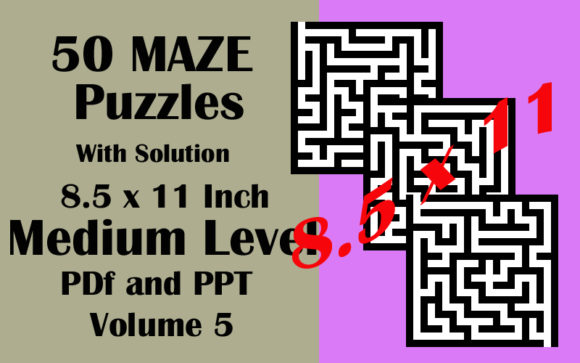
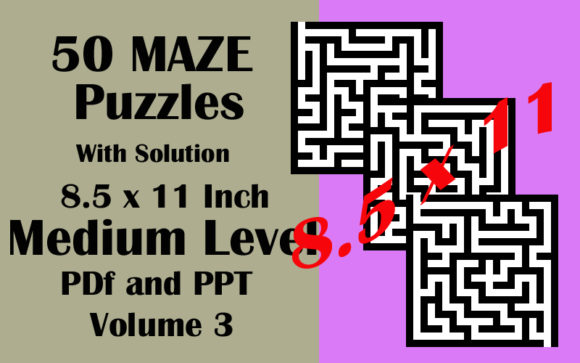
Elevating a low-content publishing project requires more than just basic templates; it demands precision, usability, and professional-grade assets that streamline the entire design workflow. For creators focusing on activity books, the 50 Maze Medium Level 8.5x11 PDF PPTX V3 serves as a critical resource for producing high-quality KDP interiors without sacrificing creative control. This comprehensive package offers a Maze Puzzle collection with solutions, specifically formatted as a KDP interior ready for printing. By providing both a print-ready PDF and an editable PPTX file, this asset bridges the gap between technical specification and visual customization, allowing designers to maintain brand consistency while delivering engaging user experiences.
Technical Precision in Print Design
In the realm of editorial design and print production, adherence to strict specifications is non-negotiable. This resource is engineered for the standard 8.5″ x 11″ trim size with no bleed, ensuring that margins and safe zones are perfectly calibrated for Amazon KDP. The interior consists of 64 pages in total, featuring 50 pages of large print mazes with one puzzle per page, alongside solution pages. From a graphic design perspective, this layout prioritizes readability and visual hierarchy. Large print formatting is not merely an accessibility feature; it is a deliberate aesthetic choice that enhances the user experience by reducing cognitive load and creating a clean, uncluttered composition. When evaluating creative assets for print, verifying these structural elements prevents costly reprints and ensures a professional presentation.
Customization and Brand Identity
While pre-made interiors save time, successful branding often requires unique visual touches to stand out in a saturated market. The inclusion of a PPTX file allows designers to modify elements directly, integrating specific typography, color palettes, or logo placements into the maze structure. This flexibility transforms a generic template into a cohesive brand asset. Whether you are developing a series for children’s education or adult cognitive training, the ability to adjust visual styles ensures alignment with your broader brand identity. Effective visual communication relies on consistency, and having source files enables you to apply custom headers, footers, or instructional graphics that reinforce your niche authority.
- Visual Hierarchy: Ensures the maze path is distinct from the background, guiding the eye naturally through the puzzle.
- Typography Integration: Allows for custom fonts in instructions and titles to match existing brand guidelines.
- Scalability: Vector-based or high-resolution elements maintain crisp edges at the specified trim size.
- User Engagement: Medium-level difficulty balances challenge and satisfaction, improving retention and reviews.
Strategic Applications Beyond Publishing
The utility of structured puzzle assets extends well beyond physical book interiors. Graphic designers and marketers can repurpose these medium-level mazes across various digital and physical touchpoints to enhance engagement. In social media graphics, a maze can serve as an interactive stop-scroll element, encouraging users to pause and engage with the content. For web design and UI projects, gamification elements like puzzles can increase dwell time and improve user interaction metrics. Even in packaging design or merchandise, such as placemats or promotional flyers, these visuals add an layer of interactivity that static imagery cannot achieve.
Furthermore, when incorporating these assets into advertising campaigns or presentations, the clean lines and geometric nature of mazes complement modern aesthetics. They provide a neutral yet engaging backdrop for text overlays or product photography. However, designers must always consider the balance between decoration and function. A maze used in a marketing context should be solvable enough to be satisfying but simple enough not to frustrate the viewer. Testing the visual weight and contrast against different backgrounds ensures the asset remains effective across diverse mediums, from digital screens to printed collateral.
Ultimately, selecting high-quality, tested resources like this 50-puzzle collection is an investment in design efficiency and product integrity. By leveraging professionally formatted assets that allow for meaningful modification, creators can focus on higher-level strategy and audience connection rather than technical troubleshooting. Thoughtful design choices, grounded in proper formatting and visual clarity, are what transform a simple activity book into a polished, market-ready product that resonates with users and strengthens long-term brand value.